
Wedding Music
Can a Solo Musician Perform With a DJ at a Wedding? Here's How It Works
Thinking of combining a live musician with your wedding DJ? Here's exactly how it works, which formats sound best, and what makes this combination truly memorable.
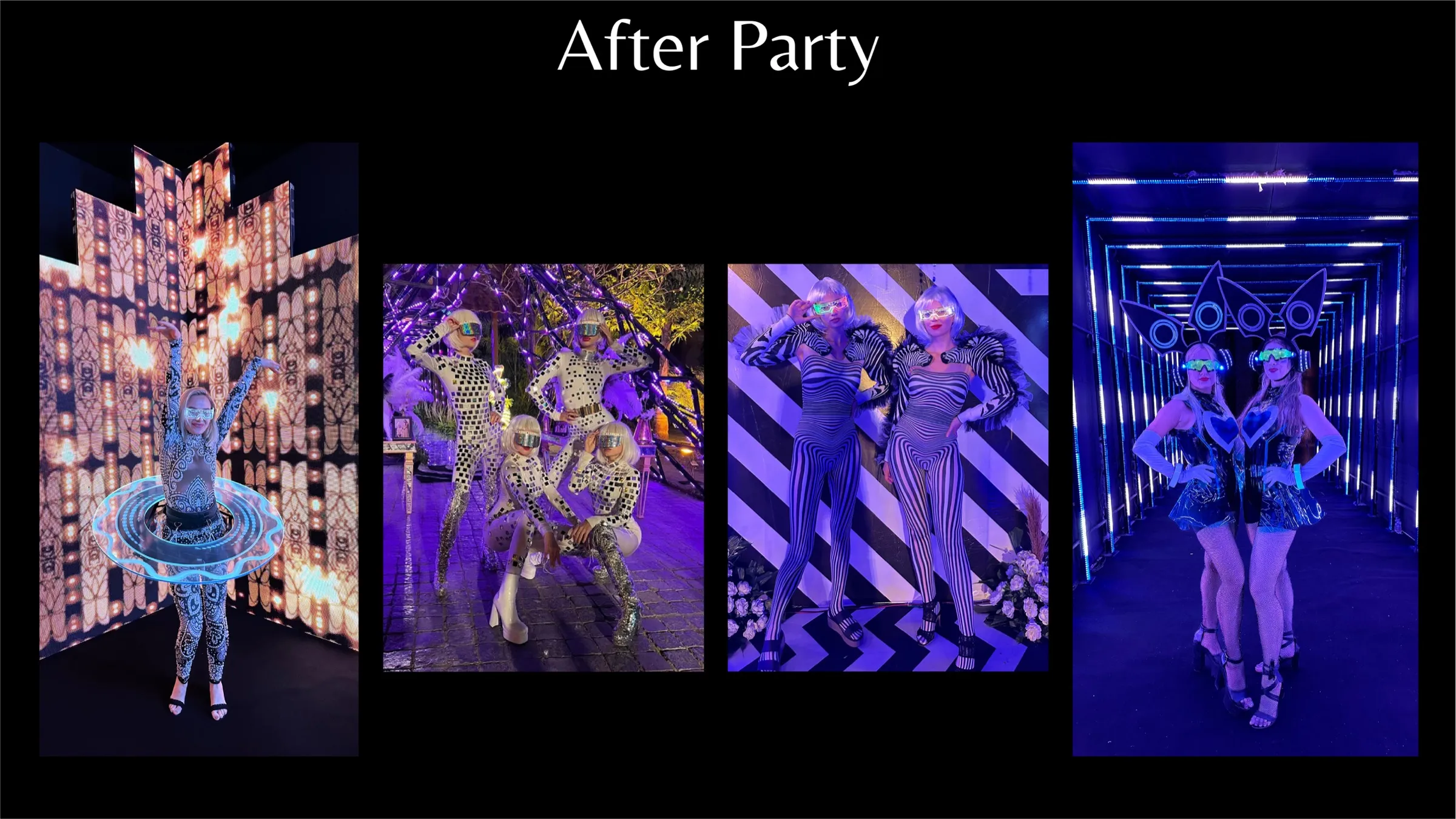
You want a DJ, because you want a dance floor that stays packed from the first song to the last. But you also want something live, something premium, something that makes your wedding feel like more than a very expensive nightclub.
Here’s the good news: you don’t have to choose.
A live musician performing alongside a DJ is one of the most popular entertainment combinations at luxury Indian weddings right now, and when it’s done well, it delivers something neither the DJ nor the musician could achieve alone. The DJ’s energy and crowd-reading skill. The live musician’s warmth, spontaneity, and the unmistakable feeling that something real is happening in the room.
But “done well” is the key phrase. This combination works brilliantly when it’s thought through and executed with the right people. It doesn’t work when it’s improvised, when the wrong instrument is placed next to the wrong DJ, or when nobody has considered how the two will actually share a stage.
Here’s exactly how the DJ-plus-live-musician format works, the three different ways it can be structured, which instruments perform best in this setting, and what makes the difference between a combination that elevates your wedding and one that simply adds noise.
Why this combination works
At its core, the DJ-plus-live-musician combination works because it solves the one limitation each element has on its own.
A DJ can do many things brilliantly: read a crowd, build energy over hours, transition between songs seamlessly, control the atmosphere of a room with precision. What a DJ cannot do is create the feeling of live performance. No matter how skilled the DJ, the music is always recorded. The room always knows it.
A live musician brings what recorded music cannot: spontaneity, breath, the slight imperfection and variation that tells an audience something human is happening in front of them. But a solo musician performing alone has natural energy limitations. A violinist can create a deeply emotional moment; they cannot sustain three hours of dance floor energy.
Together, they cover each other’s gaps completely. The DJ holds the energy. The musician makes it feel alive. The result is a performance experience that guests describe as genuinely electric, and it’s one of the reasons this format has become so sought-after at Indian weddings and parties.
Three ways to structure it
Not all DJ-plus-musician performances are the same. There are three distinct formats, each with a different effect and a different level of preparation required.
Format 1: Live musician over the DJ’s tracks
This is the most common format, and the most accessible, because it requires the least pre-planning between the DJ and the musician.
The DJ plays their set as normal. The musician listens, finds the right moments, and performs live over the top of the music, improvising solos, playing melodic phrases over the beats, and building in and out of the music in a way that feels spontaneous and natural.
The saxophone is the instrument most associated with this format. A saxophone performing over an electronic music set, particularly over deeper, more melodic house or commercial music, creates a warm, organic layer that transforms the sound of the room. Guests feel it immediately, often before they consciously register what’s changed. The music sounds fuller, more alive, more like a live event and less like a nightclub.
The electric violin works brilliantly in this format too. The violin’s soaring range allows it to cut through a mix at key moments, the drop, the peak, the moment the DJ wants to take the room higher, creating a live dramatic effect that electronic production alone cannot deliver.
What this format requires:
- The musician and DJ should have a brief conversation before the set about BPM range, key signatures, and the general flow of the music
- The musician should be positioned near the DJ or on a stage riser adjacent to the DJ booth, visible to the crowd
- The DJ needs to be open to this format and comfortable with a live musician in the space (most professional DJs are; confirm this in advance)
- A clear audio channel for the musician’s microphone in the DJ’s setup or the PA system
Best for: After-parties, late-night receptions, cocktail events with a contemporary vibe
Format 2: A planned artist-and-DJ performance set
This is the more polished, more theatrical version, where the DJ and musician have rehearsed together (or at least communicated extensively) and perform a structured set with specific moments planned in advance.
Rather than pure improvisation, this format involves the DJ building specific sections of their set around the musician’s performance, creating space in the music for the musician to take centre stage, then bringing the DJ mix back up when the live performance recedes. Done well, it feels choreographed without feeling stiff, the audience experiences a seamless flow between the DJ’s electronic energy and the musician’s live expression.
This format can include:
- Specific songs where the musician plays the main melody live over the DJ’s backing
- Build-up sections where the musician improvises while the DJ holds the beat
- Peak moments where both the DJ’s mix and the musician’s live performance hit simultaneously, creating a wall of sound that can be genuinely overwhelming in the best possible way
- Planned endings where the musician and DJ resolve a track together
What this format requires:
- A pre-event conversation between the musician and DJ, ideally a rehearsal or at minimum a shared playlist and timing notes
- Clear communication about the set list, the key moments, and the transitions
- Both artists should be professional and experienced in live collaboration; this format relies on mutual listening and responsiveness that not every musician or DJ can provide
- A sound engineer who can balance the live instrument and the DJ mix in real time
Best for: Reception entertainment, luxury parties, destination wedding main acts, events where the client wants the combined performance to feel like a headline experience
Format 3: A surprise musician entry during the party
This is the format that creates the most memorable single moment of the evening, and it requires the least preparation of the three.
The DJ is playing their set. The dance floor is going. And then, without announcement, without warning, a saxophonist walks onto the floor, begins playing over the music, and the room transforms.
The surprise element is the entire point. Guests who were engaged with the music are suddenly experiencing something different, something unexpected, something live. The energy shifts instantly. Phones come out. People pull each other to pay attention. And for the duration of the musician’s performance, typically one to three songs, the room is completely in the moment.
After the musician’s set, they exit as naturally as they entered. The DJ continues. But the evening has changed. There is a before and after to that moment, and it becomes one of the defining memories of the night.
What this format requires:
- The DJ needs to know the musician is coming and at what point in the evening, even if the guests don’t
- The musician needs a clear entry point and an agreed-upon signal with the DJ to start the first song
- The musician’s audio needs to be plugged into the system in advance (discreetly, during setup) so there’s no delay when they begin performing
- The venue needs enough floor space for the musician to perform within or adjacent to the dance floor
Best for: After-parties, Sangeet evenings, cocktail parties where the client wants one high-energy surprise moment
Which instruments work best with a DJ?
Not every instrument performs equally well in this format. Here’s how the most popular choices translate to the DJ context:
Saxophone: the natural choice. The saxophone is built for this. Its tonal range sits comfortably in the midrange of a DJ mix, its warmth contrasts beautifully with electronic production, and it has a physical presence and performance quality that works in a dance floor environment. Saxophonists who perform with DJs regularly develop an instinct for finding the right moments to come in and step back, making the collaboration feel organic even when it’s largely improvised.
Electric violin: dramatic and spectacular. The electric violin is the most visually and sonically dramatic option in this format. The instrument’s amplified, effects-processed sound can range from a whisper to something that fills an entire venue, and its visual presence on a stage or dance floor is genuinely arresting. For peak moments of a reception or after-party, a violinist building to a crescendo over a DJ drop is one of the most spectacular things you can experience at a wedding.
Acoustic violin: more selective. A standard acoustic violin, amplified through a clip-on microphone, can work in the DJ-plus-musician format, but it requires more careful volume balancing. In high-energy DJ sets with heavy bass, the violin can get lost. It works better in this context when the DJ is playing more melodic, mid-energy music rather than high-BPM electronic sets.
Drums / percussion: high impact, high energy. A live drummer or percussionist performing over a DJ set creates extraordinary physical energy. The live percussion adds a layer of rhythmic complexity that guests feel as much as they hear. This is the most physically visceral version of the combination and works beautifully for high-energy after-parties and late-night celebrations.
Flute: more selective. The flute’s lighter, airier sound is better suited to the softer, more melodic sections of a DJ set than to high-energy dance music. For sophisticated cocktail parties with a contemporary DJ playing deeper, more atmospheric music, a flautist can create something genuinely beautiful. For a loud, high-energy after-party, the flute is not the right choice.
When in the evening should this happen?
Cocktail hour: A saxophonist or violinist performing over ambient DJ or playlist music during a cocktail hour sets a sophisticated, premium tone. The energy is lower here, the music is background, and the live instrument adds elegance rather than energy.
Reception dinner to after-party transition: The moment the dinner transitions to dancing is one of the most powerful times to introduce a live musician. As the DJ’s first dance floor set begins, the musician walks on. The room shifts from dinner mode to party mode, and the live musician accelerates that shift in a way nothing else can.
Peak after-party moments: The surprise entry format works best in the 45–90 minute window of an after-party, once the dance floor is established and guests are fully in the moment. Introducing the musician too early (before the floor has energy) or too late (when guests are beginning to tire) reduces the impact.
What doesn’t work, and why
This combination fails when:
The musician and DJ haven’t communicated. An improvising musician who doesn’t know the DJ’s set, key preferences, or tempo range will often play in the wrong key, at the wrong moment, and over music that doesn’t suit the instrument. The result is musical dissonance that guests notice, and not in a good way.
The wrong instrument is chosen for the music style. A classical acoustic flautist performing over a high-BPM Bollywood remix is a mismatch. The instrument, the music style, and the artist’s performance background need to be aligned.
The sound setup isn’t balanced. If the live instrument is too loud, it overpowers the DJ mix. If it’s too quiet, it gets lost. A sound engineer who can balance the two in real time, adjusting levels as the performance evolves, is essential for this format.
The musician lacks live collaboration experience. Not every excellent musician is an excellent live collaborator. Performing with a DJ requires a specific kind of musical responsiveness, the ability to listen, adapt, and find the right moments, that not every classically trained musician has developed. When booking for this format, specifically ask for an artist with live DJ collaboration experience.
Planning a DJ-and-live-musician performance?
At The Event Stage, we match international saxophonists, violinists, percussionists, and musicians specifically experienced in DJ collaboration to the right events, and we coordinate between the artist and your DJ in advance to ensure the performance is planned, balanced, and genuinely spectacular.
Explore our international musicians and international DJs, or contact us to share your wedding function, music style, venue, and event city, and we’ll recommend the right artist and format for your celebration.
The right musician doesn’t just add to a DJ set. They transform it.